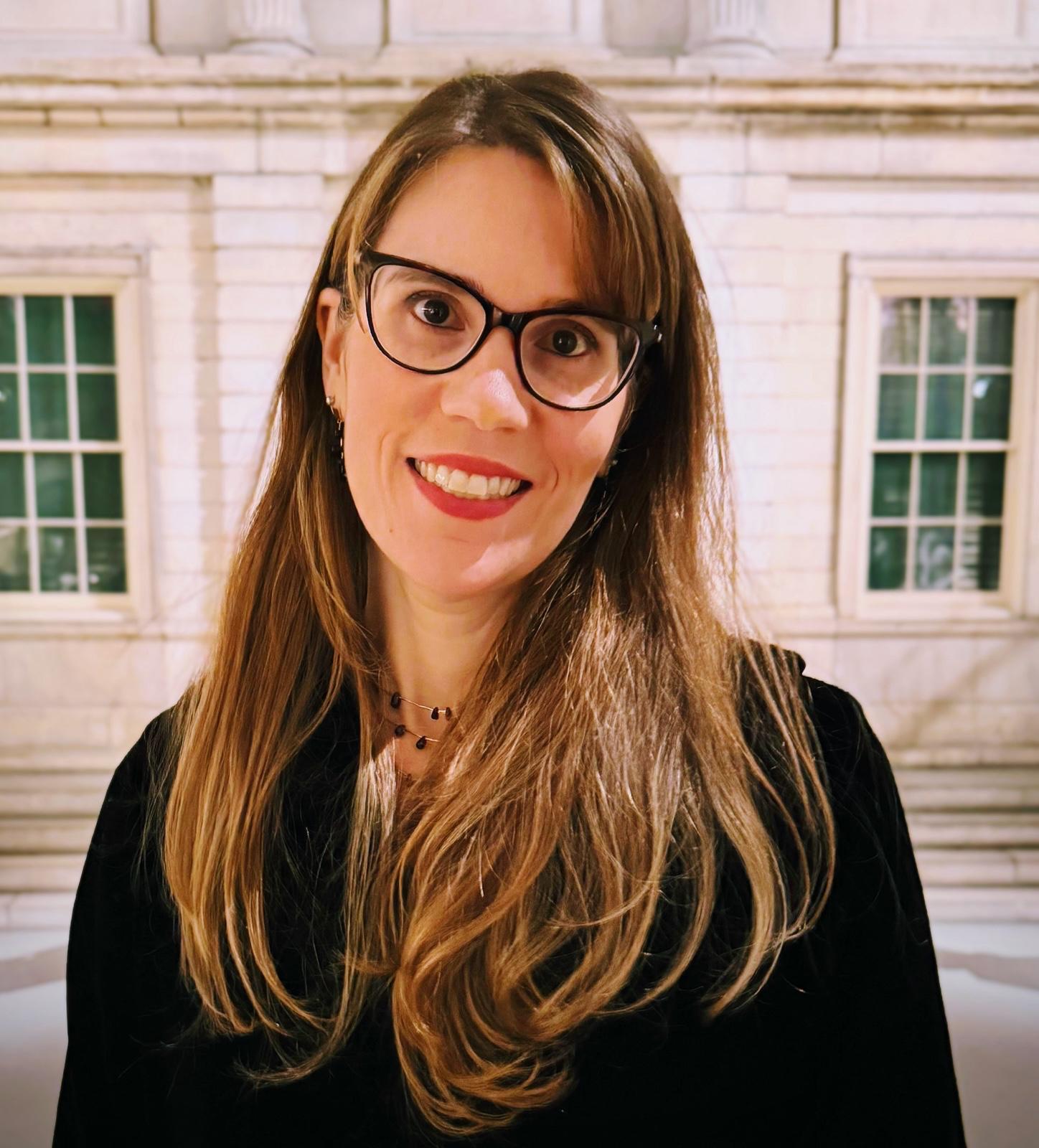
Larissa Nadai
Larissa Nadai is a Brazilian scholar and translator working independently at the intersection of academic research and translation. She holds a PhD in Social Sciences and a master’s degree in Anthropology from the State University of Campinas (UNICAMP), both funded by the São Paulo Research Foundation (FAPESP). From 2019 to 2023, she held a postdoctoral fellowship in the Department of Anthropology at the University of São Paulo (USP), which included a visiting scholar period at the New School for Social Research, also supported by FAPESP. Her research focuses on the practices and techniques of criminalization, police investigation, and the production of material evidence in cases of sexual violence. Through archival and ethnographic research, she also examines the historical development of Brazilian forensic medicine, with a particular emphasis on the domain of forensic sexology. As a visiting scholar at the Center for Place, Culture, and Politics (CPCP), she aims to explore pivotal legal, political, and technological events that have shaped the production of criminal evidence in Brazilian sexual violence cases. She is also interested in analyzing contemporary Brazilian healthcare guidelines and protocols for rape survivors to assess how they challenge persistent medico-legal notions based on the inspection of the hymen, examining whether moral and gender-based biases continue to permeate rape response techniques despite advances in forensic science and technology. She is currently editing her first book manuscript, Among Pieces, Bodies, Techniques, and Traces: The Institute of Legal Medicine and Its Threads and preparing the Portuguese translation of South African anthropologist Fiona Ross’s book, Raw Life, New Hope, scheduled for release in the summer of 2026.