
Radical Imagination: Temporalities and Geographies of Struggle – 2026 CPCP Annual Conference
Friday, May 8
Welcome and Introduction. 6:00 pm–6:15 pm
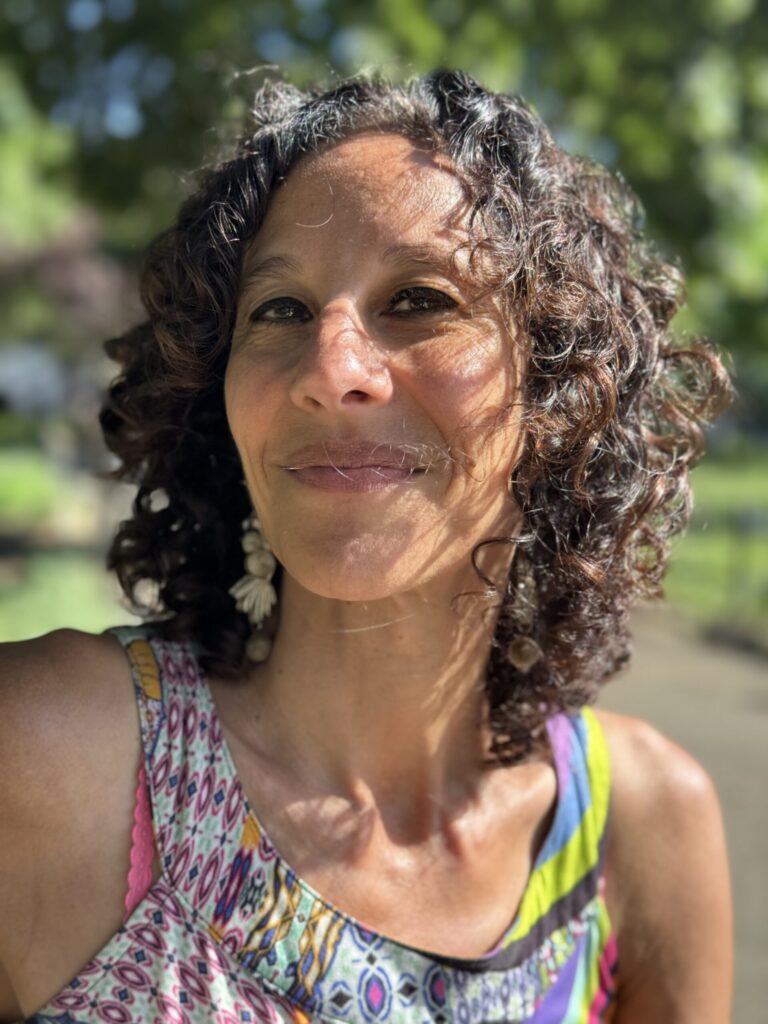
Miriam Ticktin is Director of CPCP and Professor of Anthropology at the CUNY (City University of New York) Graduate Center. She has held positions at the New School for Social Research, University of Michigan, and at Columbia University, and she has been a fellow at the Institute for Advanced Study in Princeton, the Russell Sage Foundation in New York City, and an invited visiting professor at the EHESS in Paris. She publishes widely on topics such as migration, borders, humanitarianism, and racial and gendered inequalities, and most recently, she has written about the idea of a decolonial feminist commons. She is the author of Casualties of Care: Immigration and the Politics of Humanitarianism in France (University of California Press, 2012), and co-editor of In the Name of Humanity: The Government of Threat and Care (Duke University Press, 2010). Her latest book is Against Innocence: Undoing and Remaking the World (University of Chicago Press, 2025). She is currently working on her next book, Containment and Commoning: From Bordered Worlds to Collective Life. Ticktin writes in public venues such as Truthout, LARB and Open Democracy, and organizes with migrant social justice groups in the US and in France.
Keynote Address — This Moment Matters: Speculative Musicality in Practice. 6:15 pm–8:00 pm
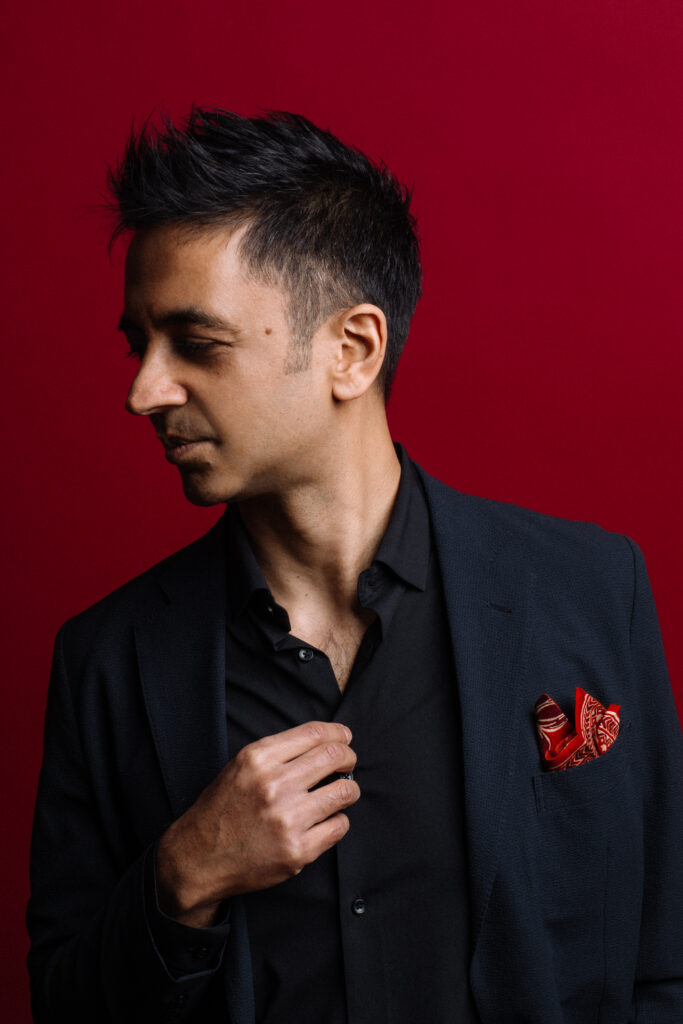
Vijay Iyer has carved out a unique path as an influential, prolific, shape-shifting presence in twenty-first-century music. A composer and pianist active and revered across multiple musical communities, Iyer has created a consistently innovative, emotionally resonant body of work over the last three decades, earning him a place as one of the leading music-makers of his generation. His honors include a MacArthur Fellowship, a Doris Duke Performing Artist Award, a United States Artist Fellowship, three Grammy nominations, and the Alpert Award in the Arts. His newest albums are Defiant Life (ECM, 2025), his second suite of duets with visionary composer-trumpeter Wadada Leo Smith; Compassion (ECM, 2024), featuring his celebrated trio with drummer Tyshawn Sorey and bassist Linda May Han Oh; Thereupon (Pi Recordings, 2025), the long-awaited return of an all-star collective comprising Iyer, Sorey, and saxophonist Steve Lehman; Trouble (BMOP/sound, 2024), a composer portrait album comprising three of his orchestral works, including the titular violin concerto performed by Jennifer Koh; and Love in Exile (Verve, 2023), his Grammy-nominated collaboration with Arooj Aftab and Shahzad Ismaily. The New York Times observed, “Iyer’s music has always been both intelligent and unpretentious, complex without being opaque; [he] ponders a phrase with obsessive rumination, unveiling layers of shifting, subtle emotion, before letting it fly with joyous abandon.” He is a professor at Harvard University. Photo by Ebru Yildiz.
Saturday, May 9
Coffee and Conversation. 10:45 am–11:00 am
Join us for coffee beginning at 10:45 am. Browse books for sale by CPCP scholars and our panelists.
Welcome and Introduction. 11:00 am–11:15 am
Panel 1 — Pasts. 11:15 am–1:00 pm
There is an Aymara aphorism that Bolivian sociologist, historian, and activist Silvia Rivera Cusicanqui likes to quote, looking backwards and forward (to the future-past), we can walk in the present-future. This formulation of time and the temporality it opens—one that does not “advance” or “progress” linearly but rather places the past(s) ahead, as orientations—grounds and serves as the starting point of this panel. Devising creative research methods, anticapitalist study formations, and also practicing and experimenting with form (because to think of form—how do we study, imagine, write—is key to undoing the fascistic present and remaking the world), this panel broaches the past at different scales—from the molecular to the planetary, from the word and the poetic image to liberatory aesthetic genealogies—to imagine and learn from forms of “alterlife” (M. Murphy) and “remaindered life” (N. Tadiar).

Ghazal Ghazi is a poet and visual artist whose life has spanned three distinct regions: the Middle East, the US, and South America. Through oil paintings and ceramics, she speaks both to and from peripheries of power, empire, and belonging as she addresses collective memory and archival silences. She was a semifinalist in the National Portrait Gallery’s Outwin Boochever Portrait Competition 2022 at the Smithsonian Institution, as well as a 2022 Junior Fellow at the Library of Congress. She is currently an artist in residence at BRIC Arts Media in Brooklyn, New York. Her books include La frontera desemboca en ti (Cafeína Editores: Guatemala, 2019) and El ancestro del poema es la herida (Ginecosofia: Chile, 2024). Photo by Hannah Crickman.
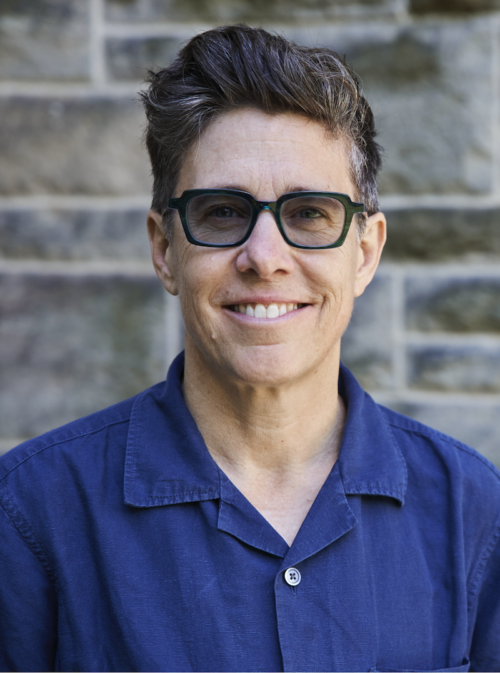
M. Murphy is a technoscience studies scholar who theorizes and researches about environmental justice, reproductive justice, Indigenous science and technology studies, infrastructures and data studies, racial capitalism, and the Great Lakes. Murphy is the Tier 1 Canada Research Chair in Science and Technology Studies and Environmental Data Justice and are jointly appointed to the School of Environment. They are also Co-Director of the Technoscience Research Unit, which is a home for social justice, Indigenous, and decolonial approaches to Science and Technology Studies, as well as a Indigenous Environmental Data Justice lab. Their current research focuseson the relationships between pollution, chemicals, colonialism, data, and altered life on the Great Lakes. They are a lead PI at the Acceleration Consortium where they direct a lab on Indigenous science and Ethical Substance. They are the author of three books, The Economization of Life, Seizing the Means of Reproduction, and Sick Building Syndrome and the Politics of Uncertainty, as well as a coauthor of Fear of a Dead White Planet, all with Duke University Press. They are Red River Métis from Winnipeg.
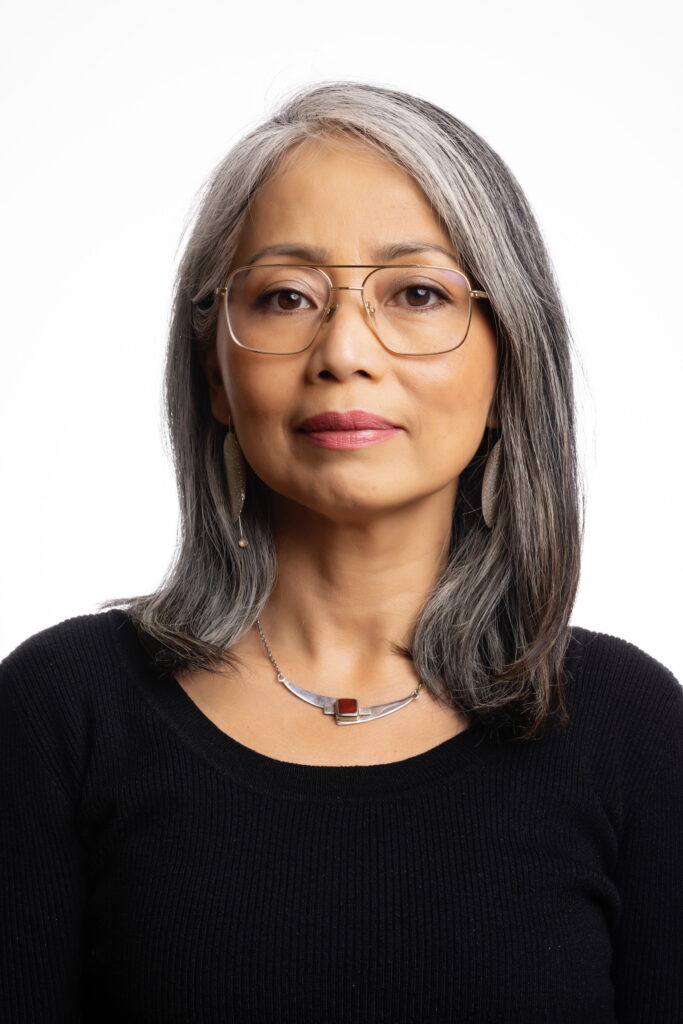
Neferti Xina M. Tadiar is Professor of Women’s, Gender, and Sexuality Studies at Barnard College. She is the author of Remaindered Life (Duke University Press, 2022), a meditation on the disposability and surplus of life-making under contemporary conditions of the global empire of capital which won the John Hope Franklin Book for Best Book in American Studies in 2023, and Life-Times of Becoming-Human (Everything’s Fine Press, 2022), which won the Philippine National Book Award in Philosophy in 2024. Professor Tadiar is also the author of Things Fall Away: Philippine Historical Experience and the Makings of Globalization (2009), and Fantasy-Production: Sexual Economies and Other Philippine Consequences for the New World Order (2004), which was awarded the Philippine National Book Award in Cultural Criticism for 2005. She is also co-editor of Beyond the Frame: Women of Color and Visual Representation (with Angela Y. Davis). Her most recent books are Discourse on Imperialism (University of the Philippines Press, 2025) and At the Edges of Command: Conversations and Reflections on Remaindered Life (Gantala Press, 2026).
Lunch. 1:00 pm–2:00 pm
Complimentary lunch from La Morada will be served on site at the People’s Forum.
Panel 2 — Strategies. 2:00 pm–3:45 pm
Marshall Ganz famously defined strategy as the art of figuring out “how we turn what we have into what we need to get what we want.” This panel considers how social movement organizations develop strategic capacity, drawing on experiences in cross-movement coalition building, labor strategy education, and long-haul campaign work. How do we collectively set priorities for work bridging the outcomes of past struggles with the horizon of the future we need? How do we identify nonreformist reforms and targets that meaningfully shift a landscape of power for the next round of the fight? How do we use this moment to fuse inventive thinking with field-tested methods into instruments for concrete power?
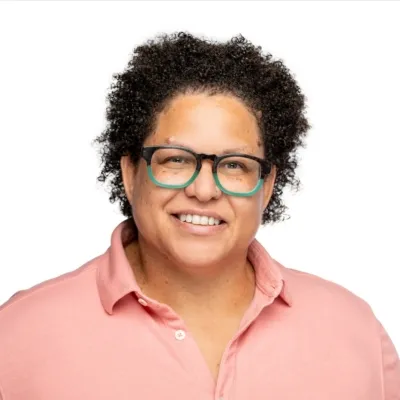
Kim Diehl (any pronoun) is a Black, mixed-race, queer person with more than 20 years of experience advancing human rights and worker organizing through digital strategy, storytelling, and public education. A founding member of Critical Resistance (a national organization working to abolish the prison industrial complex), Kim currently serves on its board. Holding a Master of Divinity and a deep commitment to anti-racism, Kim’s calling is to build beloved community—spaces rooted in mutual aid, care, and accountability, where safety comes from relationships, not policing.
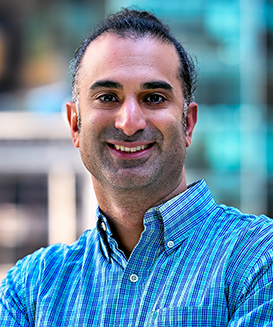
Puya Gerami serves as Distinguished Lecturer in the Department of Urban Studies at the CUNY School of Labor and Urban Studies and in the affiliated Leadership Institute for Democracy and Social Justice. Puya joined CUNY SLU and LDSJ after working for more than a decade trying to help build the labor movement and the broader movement for social justice in his home state of Connecticut. He began by serving as an organizer and then the education director at SEIU 1199 New England, a union of nearly 30,000 health care workers. He later served as founding director of Recovery For All (now called Connecticut For All), a new statewide progressive coalition of nearly 75 labor, community, and faith organizations. In addition to this movement work, Puya also studied past movement-building in the Department of History at Yale. His dissertation tells the story of the clash between public sector unionism and privatization in the United States over the last century by focusing specifically on the state level in the Northeast region, investigating how forces on the Left and on the Right fought to advance contradictory visions of transforming the capitalist state in an era of chronic fiscal crisis. Puya is proud to be a part of the unique community of students, staff, and faculty at CUNY SLU and LDSJ.
Stephanie Luce is Professor of Labor Studies at the School of Labor and Urban Studies, and Professor of Sociology at the Graduate Center, City University of New York (CUNY). She received her BA in economics at the University of California, Davis and both her PhD in sociology and her MA in industrial relations from the University of Wisconsin at Madison. Best known for her research on living wage campaigns and movements, she is the author of Fighting for a Living Wage, and co-author of The Living Wage: Building a Fair Economy, and The Measure of Fairness. She is also author of Labor Movements: Global Perspectives. Her latest book, co-authored with Deepak Bhargava, is Practical Radicals: Seven Strategies to Change the World.
Break. 3:45 pm–4:00 pm
Panel 3 — Futures. 4:00 pm–5:45 pm
Sylvia Wynter has reimagined a future for the human, as hybrid, as constituted not simply through bios (and biocentrism) but through a historically concrete matrix of phylogeny, ontogeny, and sociogeny. This is a major challenge to our disciplinary divisions of knowledge, but what are its implications for the politics and poetics of futurity? This panel will take up the prospect of imagining radical futures in a number of ways. For instance, does the form and agency of new humans (after “Man,” as Wynter puts it) pivot on the temporal logics that attend them? What kinds of time are operative in the futures we imagine our agency is helping to produce? This connects to another vital question: How do we imagine the future of mobilization? Digital insurgency is significant, yet must constantly struggle against digital divergence and diversion. Commoning and communing in the present operate at several scales, but how might a commune-to-come challenge what makes up its possibility? We must believe in emancipation as a future, even if hegemony insists we have been emancipated from that future. How does imagining a terrain of struggle in the future mediate what we think of as struggle today?
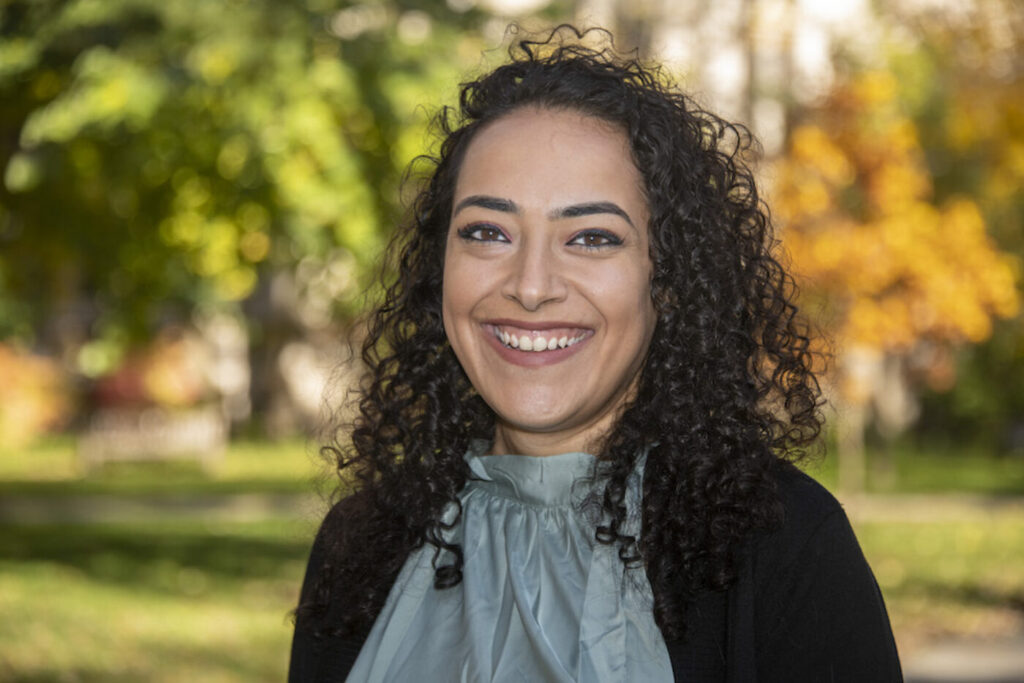
Eman Abdelhadi is an academic, activist, and artist based in Chicago, IL. Her research as faculty at the University of Chicago focuses on gender differences in the community trajectories of Muslim Americans. Abdelhadi has also spent many years organizing. She has been involved in the movement for Palestinian liberation, Black Lives Matter, counter-surveillance and abolitionism, Marxist feminist mobilization, as well as workplace struggles. She is currently co-coordinating the Muslim Alliance for Gender and Sexual Diversity, a national organization that provides support and builds community by and for Queer Muslims. Abdelhadi maintains an active creative practice that includes performance art and essay and poetry writing. Her writing has appeared in Jacobin, Muftah, and other publications. She is coauthor of Everything for Everyone: An Oral History of the New York Commune, 2052–2072.
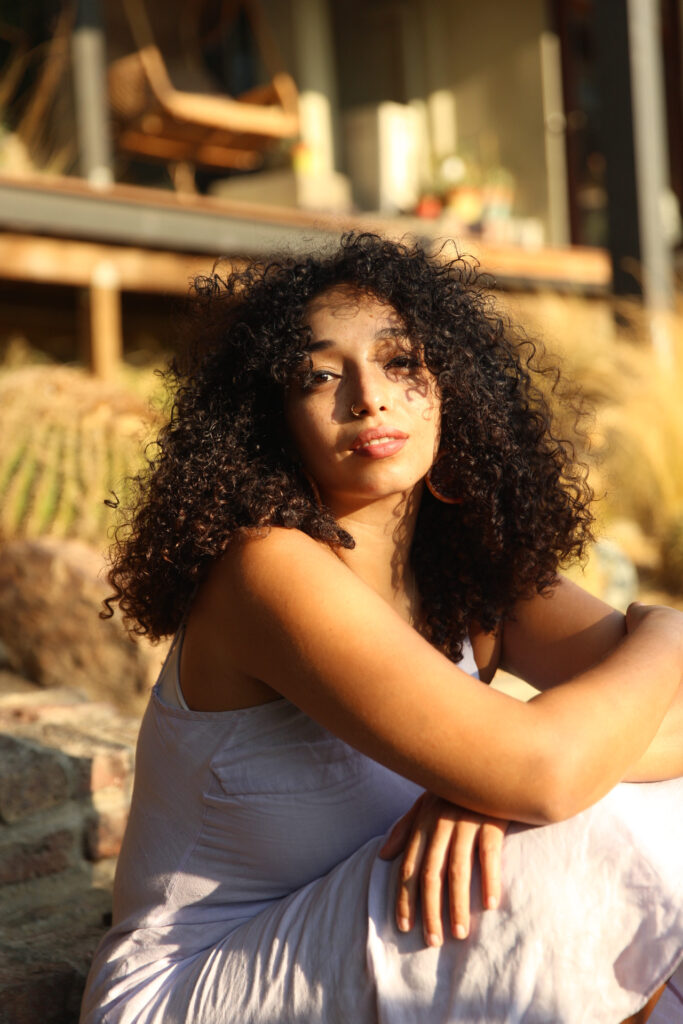
Yasmine Batniji is a Palestinian American artist born in Florida, specializing in video game art and digital preservation. Batniji holds an MFA from the NYU Game Center and focuses on archiving and recreating Palestinian landmarks and cultural artifacts through 3D modeling and scanning. Their work bridges history and digital worlds, creating immersive video game experiences that preserve and reimagine narratives of Palestinian heritage. By situating these preserved sites within interactive spaces, Batniji offers new perspectives on cultural memory, resilience, and the imagined futures of Palestine. They are the designer of Pomegranates, a game that memorializes Palestinian lives and landmarks lost since October 7, 2024.
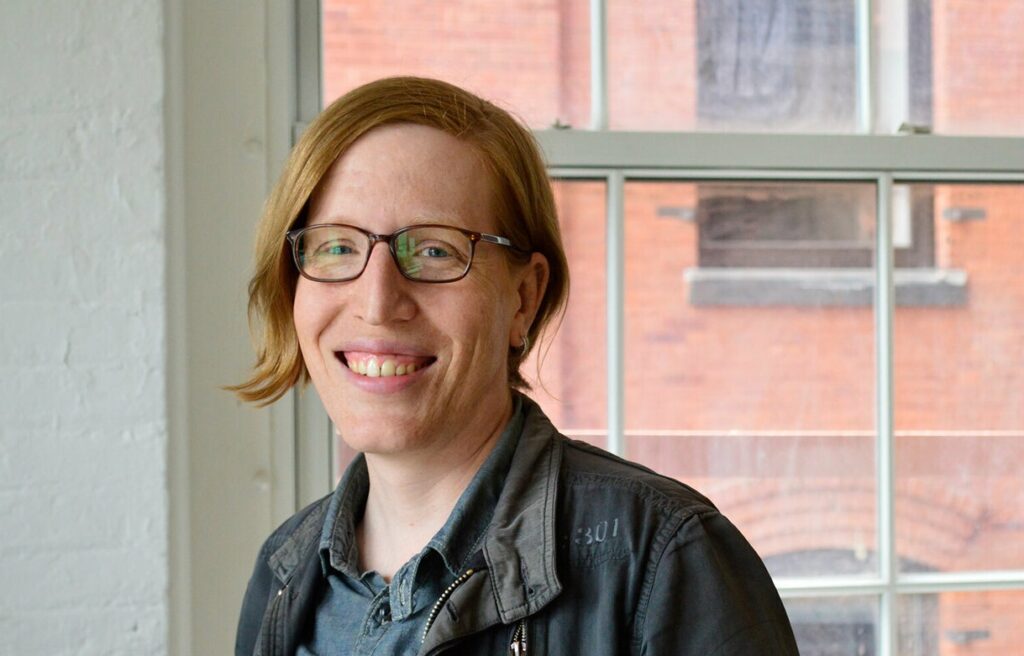
M. E. O’Brien is a psychoanalyst and writer in New York City. She has two books: Family Abolition: Capitalism and the Communizing of Care (2023) and the co-authored speculative fiction novel Everything for Everyone: An Oral History of the New York Commune, 2052–2072 (2022). She helps edit two projects: Pinko, a magazine of gay communism; and Project 2052, an online collection of revolutionary science fiction. Previously, she did a PhD at NYU and currently works in private practice as a clinical social worker.
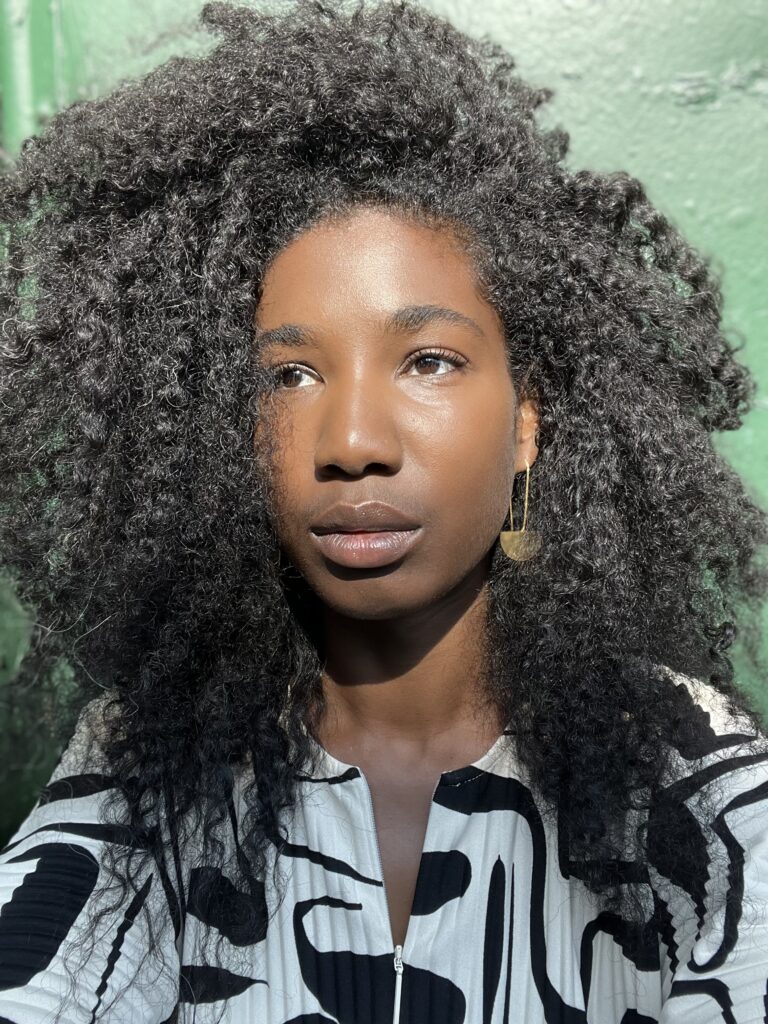
Marisa Solomon is an Assistant Professor of Women’s, Gender and Sexuality Studies at Barnard College, Columbia University, where she teaches courses in feminist intersectional science studies, environmental humanities, Black geographies, feminist theory, and queer of color critique. Her new book, The Elsewhere is Black: Ecological Violence and Improvised Life (Duke University Press 2025), which received Duke University Press’s Scholar of Color First Book Award, considers ecological politics from the position of Black dispossession. Attentive to the way that anti-Blackness is a land-use strategy of settler colonialism in the U.S., her work focuses on how Black improvisation with waste’s form and meaning re-member what counts as ecological politics. She has written a number of articles on the relationship between waste and Black life in the US, including, “The Ghetto is a Gold Mine” for the Journal of Labor and Working-Class History and “Ecologies Elsewhere” for GLQ: A Journal of Gay and Lesbian Studies and “Living with Harm” forthcoming for Scholar and Feminist Online. Her work also appears in a number of edited volumes such as, Waste as Critique (Oxford University Press), Black Environmentalisms (forthcoming with Duke University Press) and The Politics of Disposability (forthcoming with Duke University Press). One of her essays, “The Edge of the Usual,” also appears in a compilation of essays for the 2023-2024 Venice Biennial on Everlasting Plastics. She is currently the director of Barnard’s Interdisciplinary Race and Ethnic Studies Minor, an editorial board member of Women’s Studies Quarterly (WSQ) and Scholar and Feminist Online as well as the former co-director of the Black Atlantic Ecologies project at the Columbia Center for the Study of Social Difference, where she was affiliated with the Earth Institute.
Reception. 5:45 pm–6:45 pm
Continue the conversation over drinks and light fare.
This event is free and open to the public. Registration is required. It is organized by the Center for Place, Culture, and Politics.