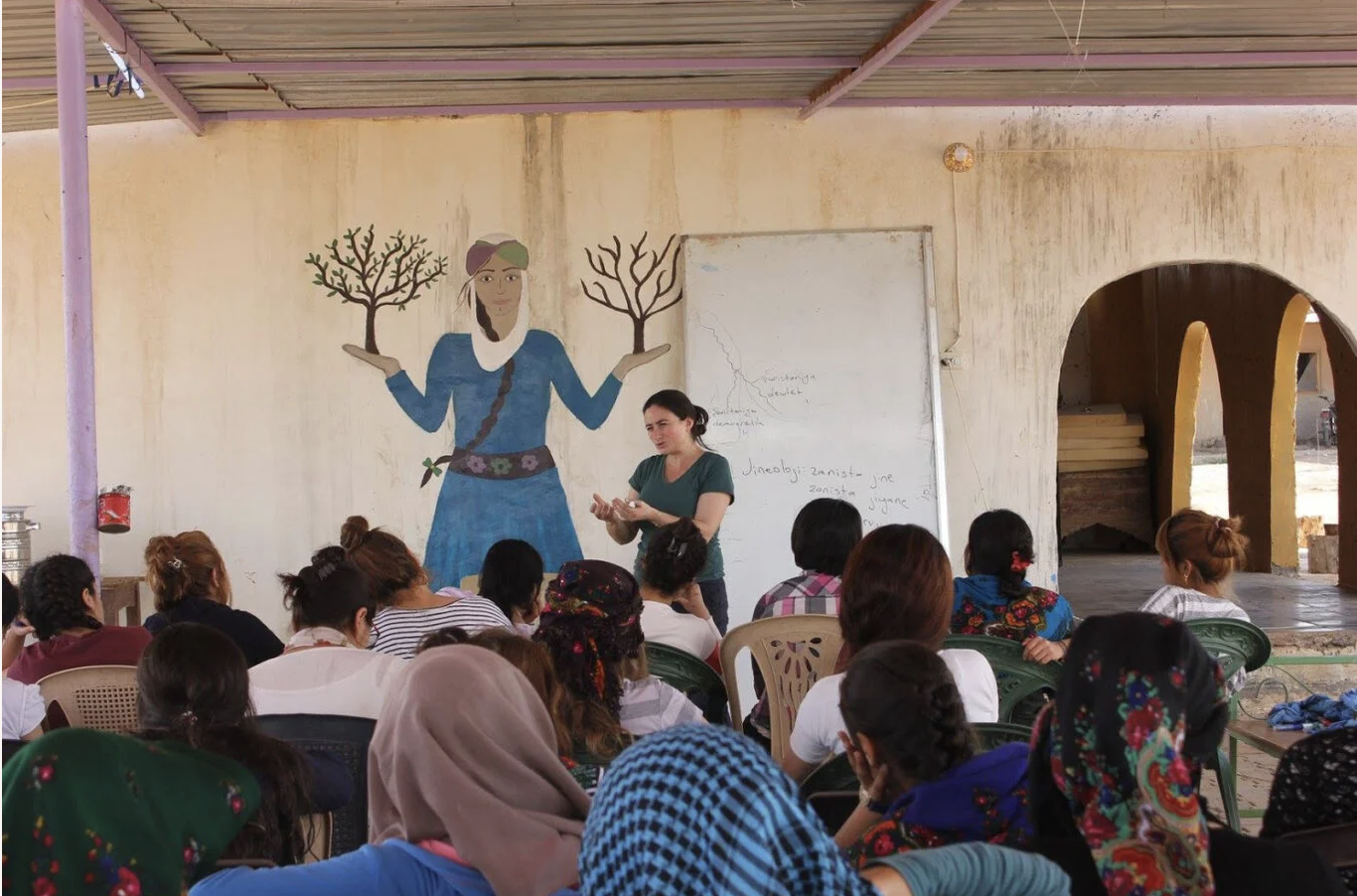
Defending Education, Building Solidarity: Radical Imagination Across Borders
Join the CPCP to hear from organizers, scholars, and educators working in solidarity with Palestine, Rojava, and Sudan, and discuss lessons, contradictions, and possibilities for radical education across borders.
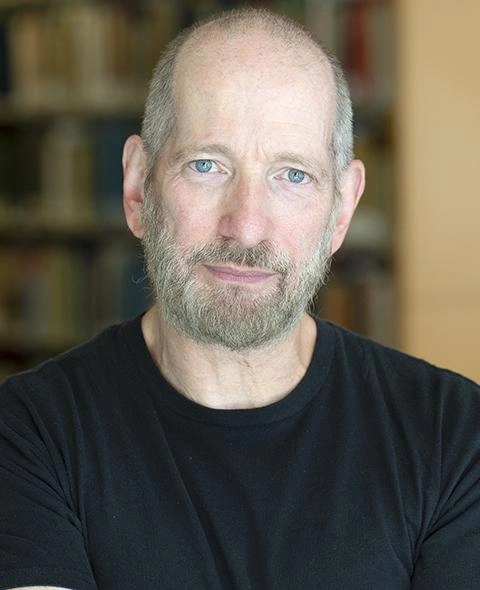
Anthony Alessandrini is Professor of English at Kingsborough Community College and of Middle Eastern Studies at The Graduate Center, where he is also a member of the Committee on Globalization and Social Change. He is the author of Frantz Fanon and the Future of Cultural Politics; the editor of Frantz Fanon: Critical Perspectives; and the co-editor of “Resistance Everywhere”: The Gezi Protests and Dissident Visions of Turkey, and has also published a poetry chapbook, Children Imitating Cormorants. Alessandrini is on the faculty of the Brooklyn Institute for Social Research, a co-organizer of the International Solidarity Action Research Network (ISARN), and a co-editor of Jadaliyya E-Zine. His book Decolonize Multiculturalism is forthcoming from OR Books in 2021.
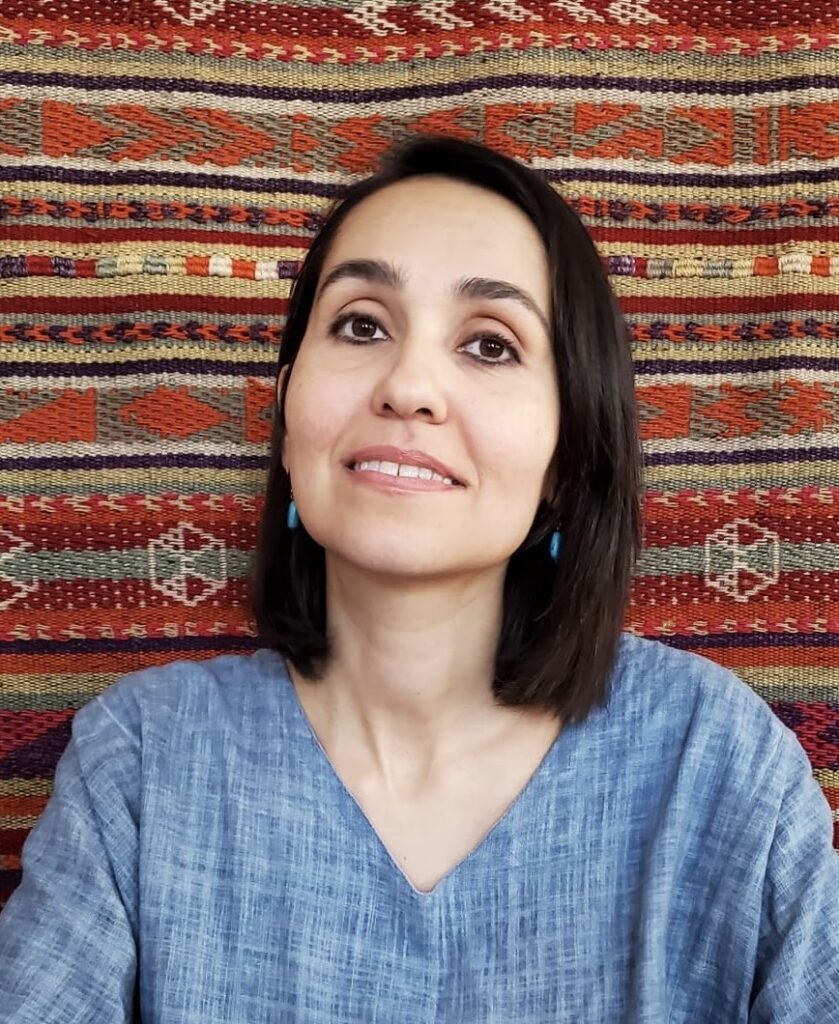
Ozlem Goner is an Associate Professor at the Department of Sociology and Anthropology at the College of Staten Island and Middle Eastern Studies at the Graduate Center of the City University of New York. Her book, entitled Turkish National Identity and its Outsiders: Memories of State Violence in Dersim, was published by Routledge in June 2017. She has written academic and popular journal articles on themes of colonial state violence, intersectional feminist movements, anti-colonial self-determination, and internationalist solidarity. Her research and teaching aim to bridge academic and activist fields of knowledge production. She is a member of the Global Scholars’ Network for Rojava Universities, Kurdish Gender Studies Network, and the Global Prison Abolitionist Collective.
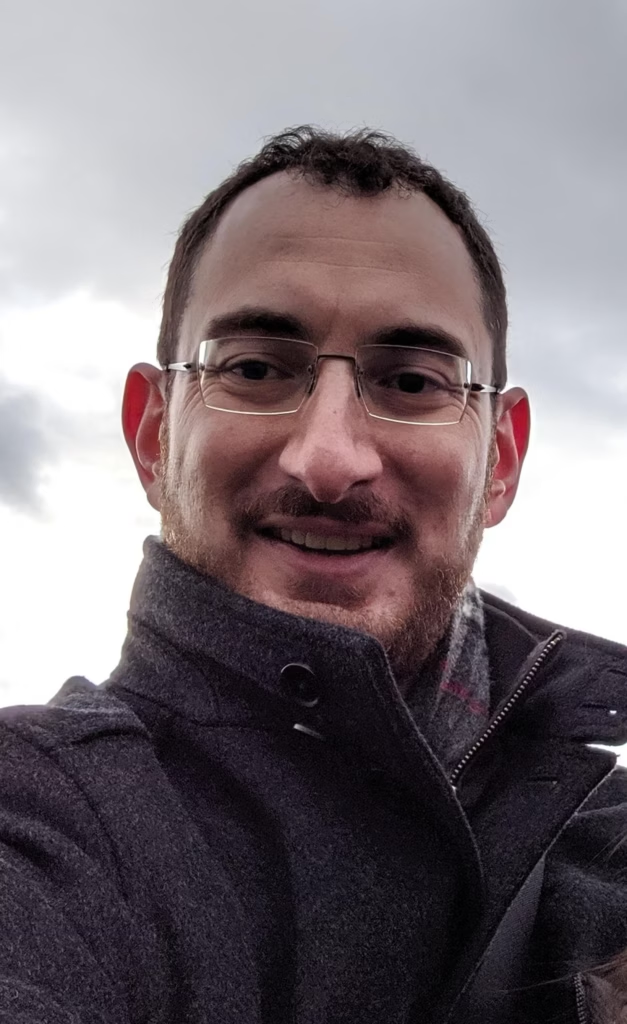
Karim Mattar is an Associate Professor of English at the University of Colorado at Boulder. A descendant of survivors of the Palestinian Nakba of 1948, he works at the intersection of Palestine studies, the humanities, and higher education. He is currently at work on two book projects. The Ethics of Affiliation: Palestine and the Future of Humanism seeks to develop a curriculum and a public pedagogy of truth and reconciliation in historic Palestine, focusing on the areas of education, culture, public institutions, civil society, and law. Writing the Catastrophe: Trauma and Responsibility Across Generations interweaves personal experience, family history, cultural critique, and political analysis to tell a multigenerational, transcontinental story of responsibility to Palestine, with a special emphasis on American higher education during the genocide. Also a dedicated community organizer, Karim works at the local, state, and national levels to enhance public awareness and understanding of Palestinian literature, history, and politics and to advocate for the liberation of Palestine. Karim received his D.Phil. in English at the University of Oxford in 2013, and writes and teaches more broadly on comparative Middle Eastern literatures and cultures, the history of the novel, media and technology, and critical theory.
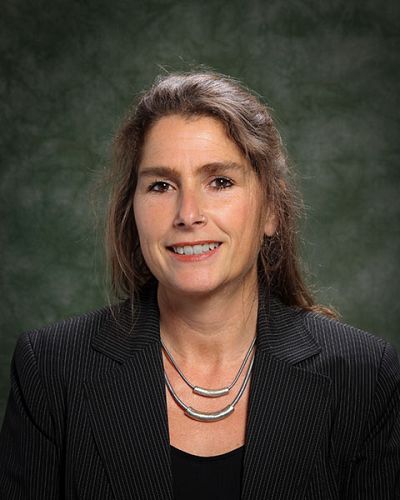
Marina Sitrin is an Associate Professor of Sociology at Binghamton University, NY, USA. She holds a PhD in Global Sociology and a JD in International Women’s Human Rights. Her work focuses on societies in movement, specifically looking at forms of social organization, such as autogestión, horizontalidad, prefigurative politics, and affective social relationships. She grounds much of her work in ethnography, oral history, and sociological narrative. Marina is a movement participant, accomplice, abolitionist, feminist, mother, and dreamer.
Razan Idris
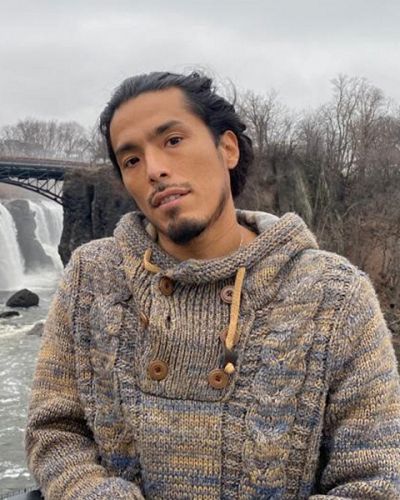
George Ygarza is a translator, popular educator, and assistant professor of sociology at Binghamton University. His work spans across popular forms of resistance and autonomy in various manifestations.
This event is free and open to the public. It is organized by the Center for Place, Culture, and Politics, the Master’s in Middle East Studies Program, the Middle East and Middle Eastern American Center at the CUNY Graduate Center, and the Global Scholars’ Network for Rojava Universities.
