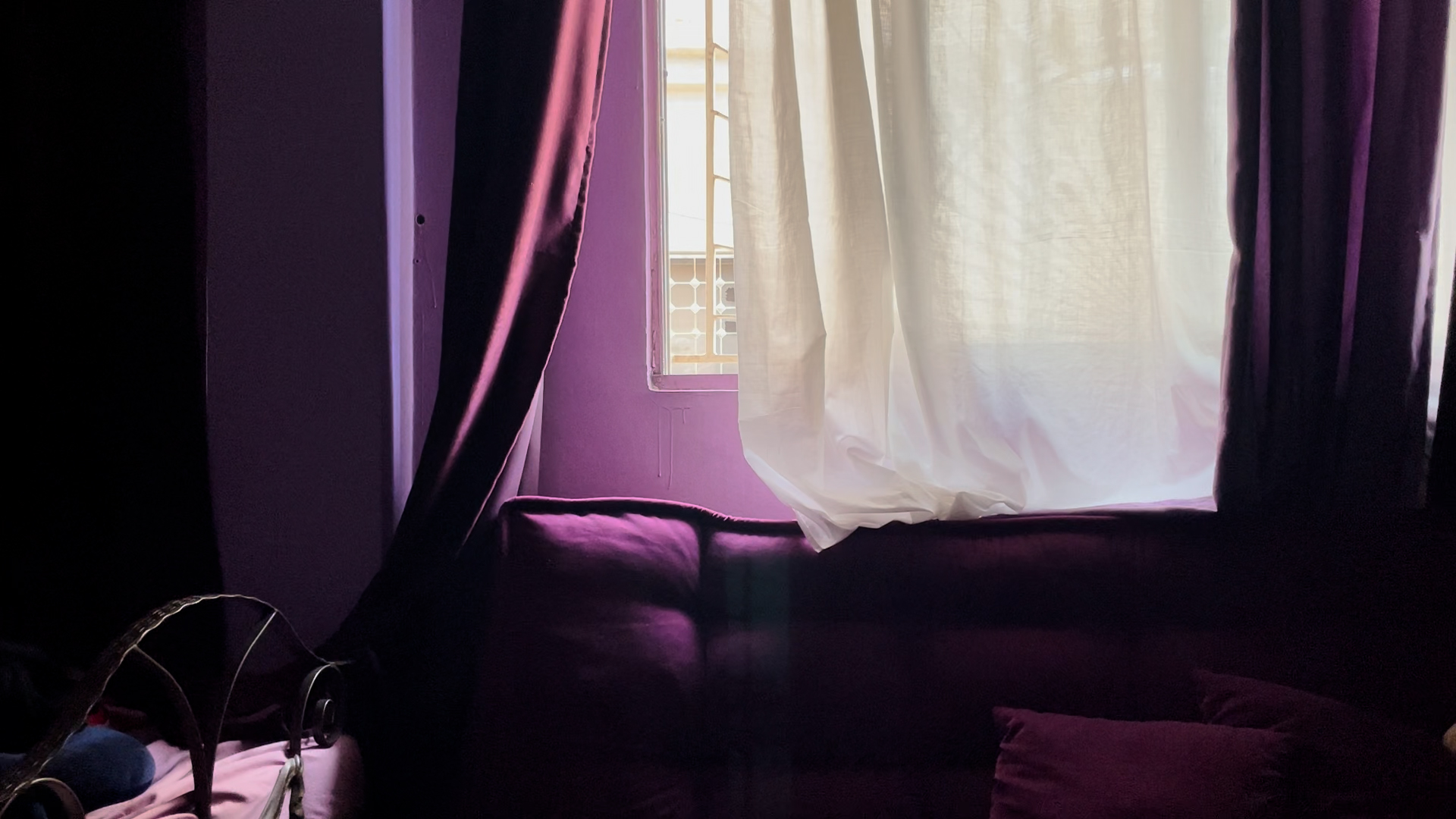
Situated Methods, Reimagining Fieldwork: A Conversation with Artists Raneem Ayyad and Francisca Benítez
Join Francisca Benítez and Raneem Ayyad in conversation with LAILaC and Public Scholarship professor Ángeles Donoso Macaya at the CPCP’s inaugural event for the 2026–2027 academic year.
The conversation will foreground the informal and intermittent ways power organizes bodies, and how both artists investigate these systems through quotidian gestures. Although formally trained as architects, Benítez and Ayyad eschew the discipline’s rigid logics of permanence and control. We will discuss these disciplinary limitations and the rich modes of inquiry that lie beyond them. Sharing recent work and the intimate encounters that have shaped their respective practices, Ayyad and Benítez trace the vernacular arrangements created to make domestic and public life livable under conditions designed to constrain it.
This event is organized along with Gauri Bahuguna and Candice Strongwater, both curators of the exhibition Uneven Geographies at Anya and Andrew Shiva Gallery at John Jay College, which opens on September 3, 2026. Gauri and Candice will also participate in the conversation to introduce the exhibition.
Speakers
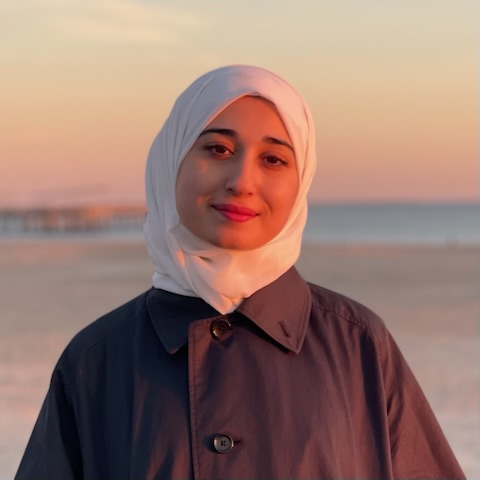
Raneem Ayyad is a visual artist and scholar. She is currently a PhD student in the combined degree program in Anthropology and Women’s, Gender, and Sexuality Studies at Yale University. She holds an MA in Human Rights and the Arts from Bard College (2024) and a BA in Architectural Engineering from Birzeit University (2021). Her practice examines how space is produced and contested in colonial, decolonial, and domestic settings, with particular attention to the everyday practices of marginalized urban communities. She is interested in how these practices reflect and reshape power, identity, and belonging through vernacular spatial forms.
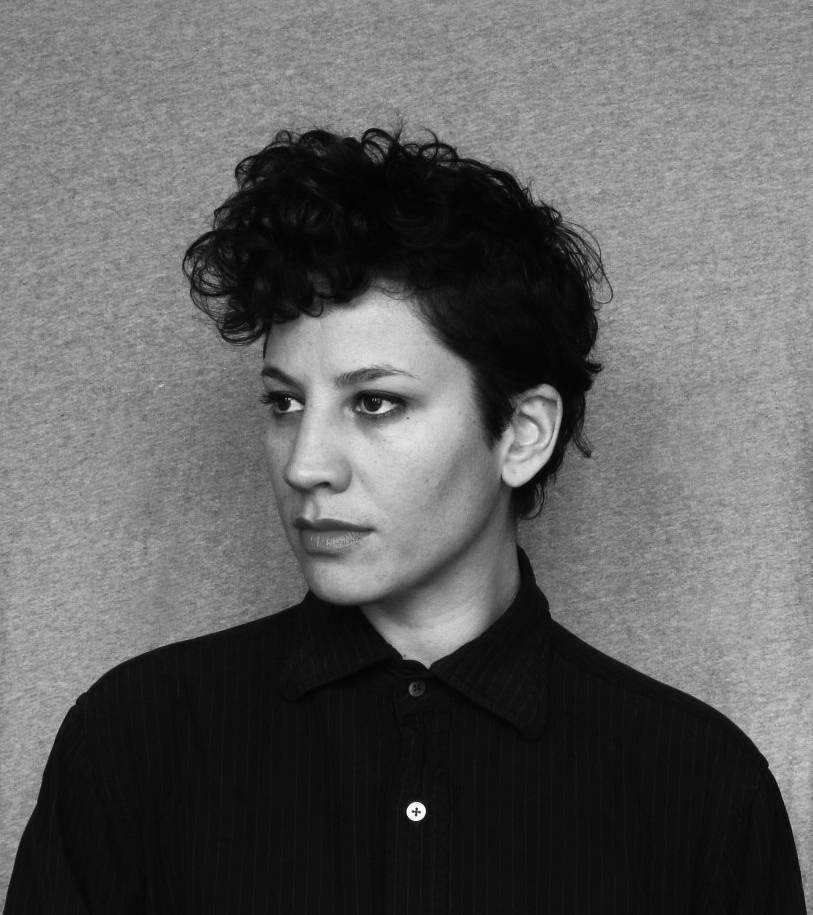
Francisca Benítez is an artist born in Chile in 1974, living and working in New York since 1998. Recent solo exhibitions include Trabajo de campo at Museo de Arte Contemporáneo, Santiago, 2024–25, Direct Action at Storefront for Art and Architecture, New York, 2023, and Riego at Die Ecke Arte Contemporáneo, Santiago, 2022. Recent group exhibitions include La Voz de la Montaña at the15th Bienal FEMSA, León, 2024, In Support at The Kitchen, New York, 2021-22, Otrxs Fronterxs at Museo de la Memoria y los Derechos Humanos, Santiago, 2019, and Soulèvements at Jeu de Paume, Paris, 2016. She holds a degree in Architecture from Universidad de Chile and an MFA from Hunter College, CUNY. She collaborates with artists and activist groups, member of Art Against Displacement and alto singer in Reverend Billy & The Stop Shopping Choir. She is a cofounder of the rural community arts and crops center Vieja Escuela, artes & cultivos, a collective project based in Pichingal, Chile.
Gauri Bahuguna is a computational designer and researcher dedicated to the intersections of art, human rights, and emerging technologies. As Deputy Director and Senior Researcher at SITU Research, she has over five years of experience investigating human rights violations, including cases in Sudan, surveillance along the U.S.-Mexico border, and UN commissions on ISIL’s crimes in Iraq. Her work has been presented through short films, exhibitions, and publications that bridge advocacy, law, and art. She has taught computational electives and design studios at the Cooper Union School of Art, lectured at the Yale School of Architecture, Carnegie Mellon, NYU, and The New School, and participated in the inaugural Biennale College Architettura in Venice (2023).
Candice Strongwater is an independent curator whose work engages the intersections of contemporary art and human rights. Currently, she is the Senior Manager of Research and Curatorial Initiatives at SITU Research.
Moderator
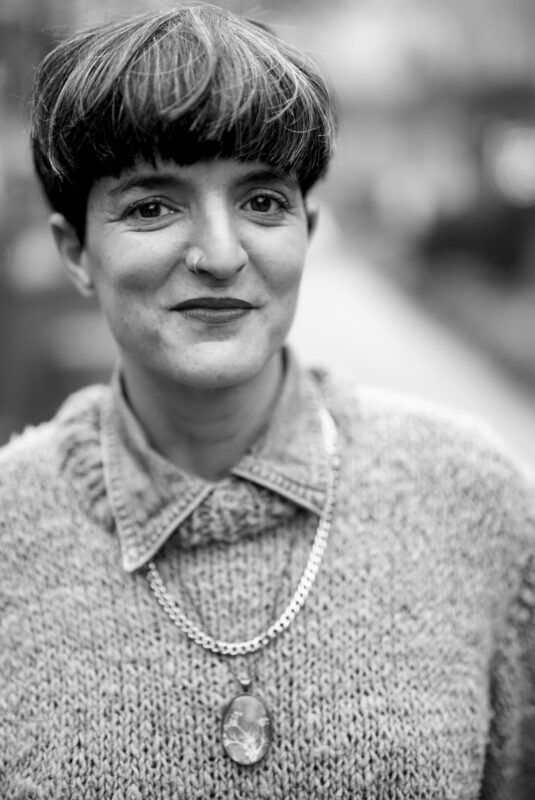
Ángeles Donoso Macaya (she/they) is an immigrant feminist scholar and writer from Santiago, Chile, based in New York. She is Professor of Spanish and Latin American Literatures and Cultures at BMCC and affiliated faculty in the Ph.D. Program in Latin American, Iberian, and Latino Cultures and in the Advanced Certificate in Public Scholarship at The CUNY Graduate Center. Her teaching interests and writing span Latin American and Caribbean photography theory and history, human rights activism and counter-archival production during the Latin American Cold War, (trans)feminisms in the Southern Cone, film and media studies, memory studies, public humanities/militant research, and environmental humanities. She is the author of The Insubordination of Photography (2020, 2nd ed. 2023); La insubordinación de la fotografía (2021); Lanallwe (2023); and archivo imperfecto/imperfect archive (2023; co-authored with photographer Paz Errázuriz), and co-editor of WSQ “No estamos a la intemperie: Open Call” (Spring 2025); NACLA Report Desiring Temporalities + Playful Aesthetics (Summer 2026); and Social Text 168, In Dialectical Memoriam: A Tribute to Fredric Jameson (Fall 2026; forthcoming). Ángeles is member of The Social Text Collective and CUNY FSJP (CUNY Faculty and Staff Justice for Palestine).
Image Caption: This photograph was taken during fieldwork for Where Do We Meet the Sun?, a research project exploring everyday domestic spaces, women’s experiences of home, and access to sunlight in Jordan. The image shows a window in an apartment, where multiple layers of curtains filter and regulate the sunlight entering the interior.
This event is free and open to the public. It is organized by the Center for Place, Culture, and Politics.
