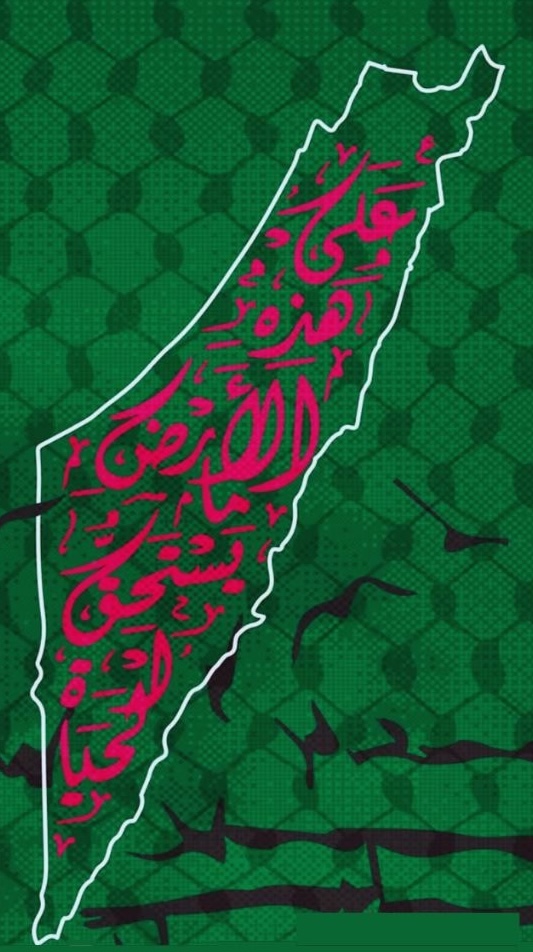
From Scholasticide to Knowlash: Reimagining Academic Freedom in Gaza — A Webinar with Dr. Ahmed Kamal Junina, Al Aqsa University in Gaza
This event is intended to help bring attention and support to the work of the Emergency Committee of Universities in Gaza, who have set up ISNAD, a fund to support the rebuilding of educational infrastructure in Gaza, together with the Taawon Foundation. We encourage attendees to read more and make a donation to ISNAD here.
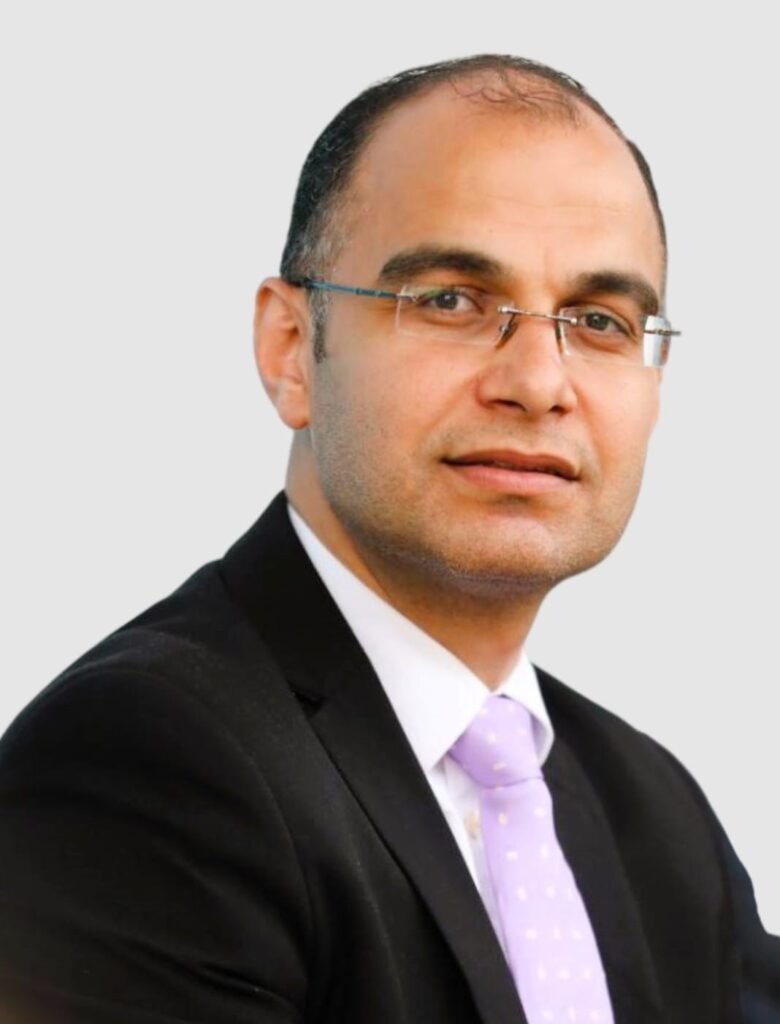
Ahmed Kamal Junina is Assistant Professor of Applied Linguistics and Head of the English Department at Al-Aqsa University in Gaza, Palestine. He is also a Fellow at the Centre for Comparative and International Research in Education (CIRE) at the University of Bristol, UK. He earned his PhD in Applied Linguistics from Auckland University of Technology (AUT), New Zealand, where he was awarded the 2019 ALANZ Best PhD Thesis Prize. Ahmed’s research focuses on English language education in contexts shaped by conflict, displacement, and structural inequality. His academic interests lie at the intersection of applied linguistics, language pedagogy, and sociolinguistics, with a particular focus on resilient pedagogy, how educators and learners adapt and sustain meaningful instruction in times of crisis.
Ahmed’s recent work documents the experiences of Palestinian EFL lecturers in Gaza, examining their use of translanguaging, emotional labor, and digital tools to maintain educational continuity during wartime. More broadly, he investigates how language serves as a resource for survival, empowerment, and political resistance in higher education under occupation. Ahmed is committed to decolonial, critical, and participatory methodologies that foreground the voices of teachers and students navigating disrupted academic realities. Despite extreme challenges, he continues to teach via WhatsApp, mentor students, and lead RECONNECT, an initiative that supports displaced learners and fosters academic engagement across borders. His scholarship and advocacy were recently featured in a CBC News report, which highlighted the determination of Palestinian academics working under siege and the broader role of education as a lifeline. His recent publication, “Displaced but Not Replaced,” offers a powerful reflection on education as both a form of resistance and resilience, particularly in the face of erasure and crisis.
Respondents
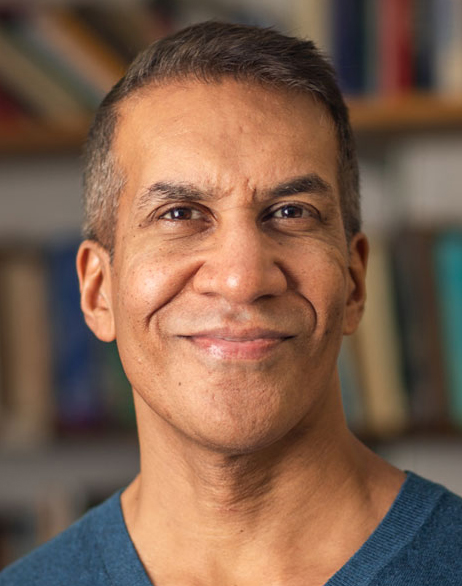
Siraj Ahmed is Professor of English and a member of the Committee on Globalization and Social Change at the CUNY Graduate Center. He is the author of The Stillbirth of Capital: Enlightenment Writing and Colonial India (Stanford University Press, 2012) and The Archaeology of Babel: The Colonial Foundation of the Humanities (Stanford University Press, 2018), which received MLA’s Scaglione Prize for best book in comparative literature. His work has appeared in Critical Inquiry, Representations, MLQ, Cultural Critique, Nineteenth-Century Literature, The Eighteenth Century: Theory and Interpretation, The Immanent Frame: Secularism, Religion, and the Public Sphere, South Asia, The Postcolonial Enlightenment (Oxford University Press, 2009) and A Companion to Literary Theory(Blackwell, 2018), among other publications. He has held multiple fellowships from the National Endowment for the Humanities and others from the Mellon and the Whiting Foundations, the Huntington and the Clark Libraries, and the University of London Institutes of English and of Commonwealth Studies. He received his B.A. in English and Philosophy from the University of Pennsylvania and his Ph.D. in English & Comparative Literature from Columbia University.
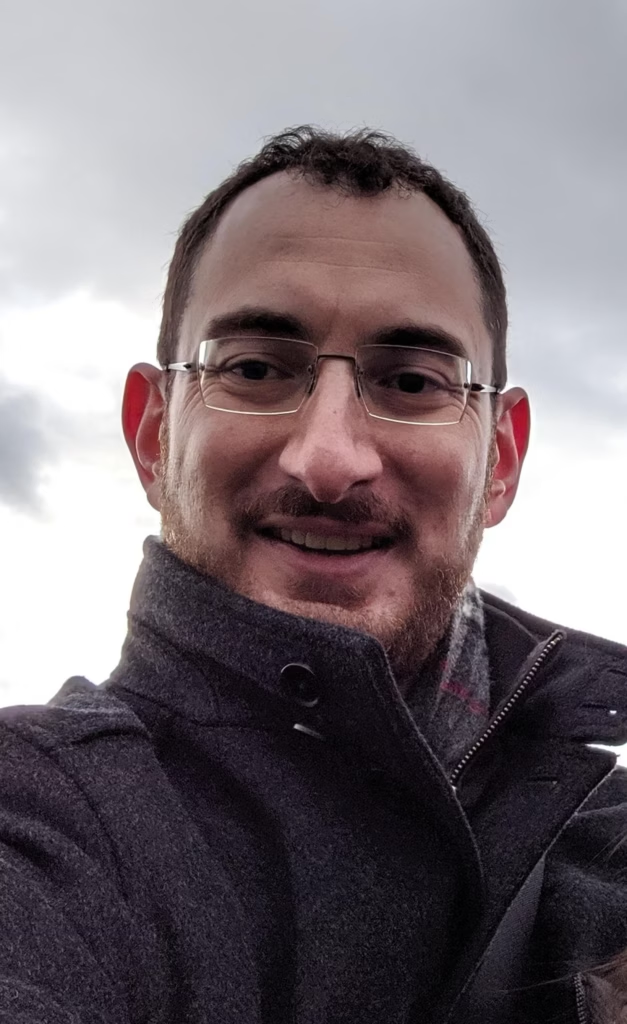
Karim Mattar is an Associate Professor of English at the University of Colorado at Boulder. A descendant of survivors of the Palestinian Nakba of 1948, he works at the intersection of Palestine studies, the humanities, and higher education. He is currently at work on two book projects. The Ethics of Affiliation: Palestine and the Future of Humanism seeks to develop a curriculum and a public pedagogy of truth and reconciliation in historic Palestine, focusing on the areas of education, culture, public institutions, civil society, and law. Writing the Catastrophe: Trauma and Responsibility Across Generations interweaves personal experience, family history, cultural critique, and political analysis to tell a multigenerational, transcontinental story of responsibility to Palestine, with a special emphasis on American higher education during the genocide. Also a dedicated community organizer, Karim works at the local, state, and national levels to enhance public awareness and understanding of Palestinian literature, history, and politics and to advocate for the liberation of Palestine. Karim received his D.Phil. in English at the University of Oxford in 2013, and writes and teaches more broadly on comparative Middle Eastern literatures and cultures, the history of the novel, media and technology, and critical theory.
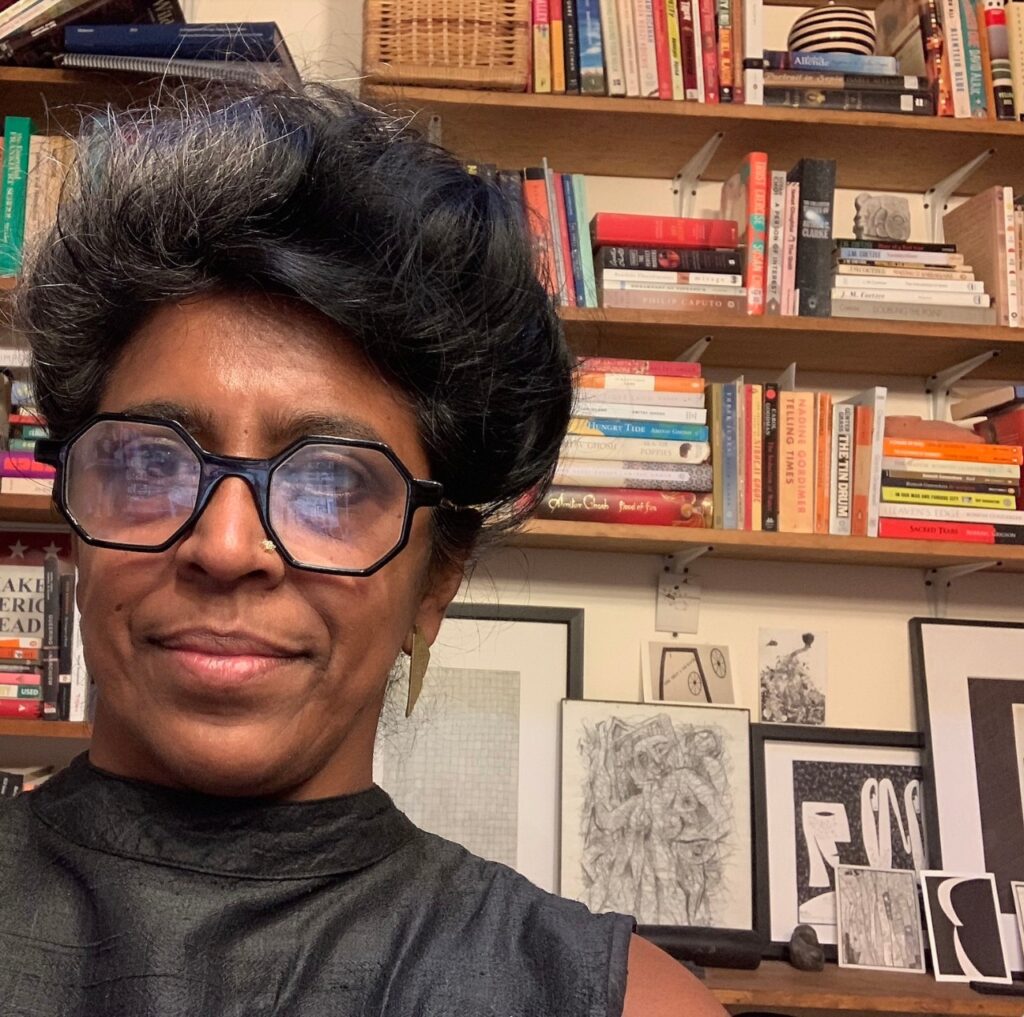
Vasuki Nesiah teaches human rights, legal and social theory at NYU Gallatin where she is also faculty director of the Gallatin Global Fellowship in Human Rights. She has published on the history and politics of human rights, humanitarianism, international criminal law, reparations, global feminisms, and decolonization. Nesiah was awarded the Gallatin Distinguished Teacher Award in 2021 and the NYU Dr. Martin Luther King Jr. Faculty Award in 2020. Her current book projects include International Conflict Feminism (forthcoming from University of Pennsylvania Press) and Reading the Ruins: Colonialism, Slavery, and International Law.
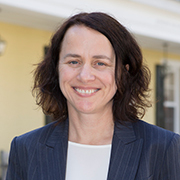
Sara Pursley works on the cultural, social, and intellectual history of the modern Middle East, especially Iraq. The thread that runs through her work is an interest in how imaginaries and experiences of time, space, and selfhood were reordered in the region during the 20th century. She has explored questions related to economic development and modernization theory; histories of psychology and pedagogy; secular and Islamic disciplines of subject formation; gender and history; insurgency, revolution, and decolonization; law and state formation; land settlement projects; and transitions from British to American empire. Her first book, Familiar Futures: Time, Selfhood, and Sovereignty in Iraq (Stanford University Press, 2019), looks at how various understandings of time, gender, and selfhood shaped pedagogical interventions into the intimate lives of Iraqis in the name of economic development and anticolonial revolution, from Iraq’s formal independence in 1932 to the first Ba`th coup of 1963. Her second book, Enclosing Iraq: Insurgency, Development, Law (Stanford University Press, in contract), rethinks the formation of Iraq under British mandate governance in the 1920s, attending to the dynamic relation between insurgency and law in the coming-to-be of an Iraqi territory and Iraqi subjects, including the ways in which anticolonial movements and forms of sociality simultaneously provoked, were reshaped by, and repeatedly exceeded punitive, disciplinary, and developmental attempts to contain them. She has plans for a third book project, which will explore the social and ecological effects of postwar land settlement projects in Iraq and Jordan from the 1930s through the 1950s that relocated peasants and pastoral nomads onto isolated nuclear-family farms, often in accordance with US Cold War modernization theories of agrarian reform and political stability.
Moderators
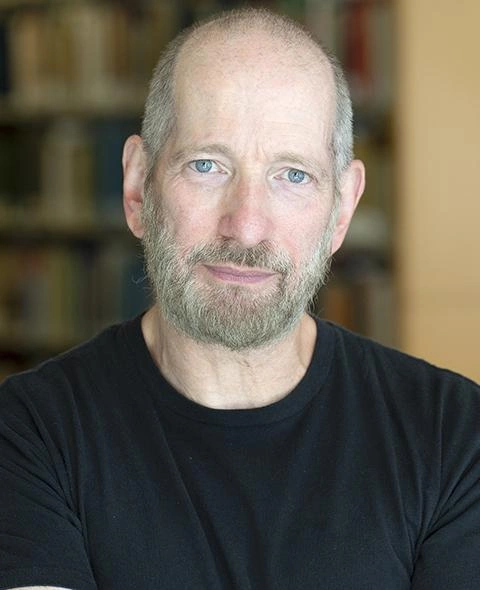
Anthony Alessandrini is Professor of English at Kingsborough Community College and of Middle Eastern Studies at The Graduate Center, where he is also a member of the Committee on Globalization and Social Change. He is the author of Frantz Fanon and the Future of Cultural Politics; the editor of Frantz Fanon: Critical Perspectives; and the co-editor of “Resistance Everywhere”: The Gezi Protests and Dissident Visions of Turkey, and has also published a poetry chapbook, Children Imitating Cormorants. Alessandrini is on the faculty of the Brooklyn Institute for Social Research, a co-organizer of the International Solidarity Action Research Network (ISARN), and a co-editor of Jadaliyya E-Zine. His book Decolonize Multiculturalism is forthcoming from OR Books in 2021.
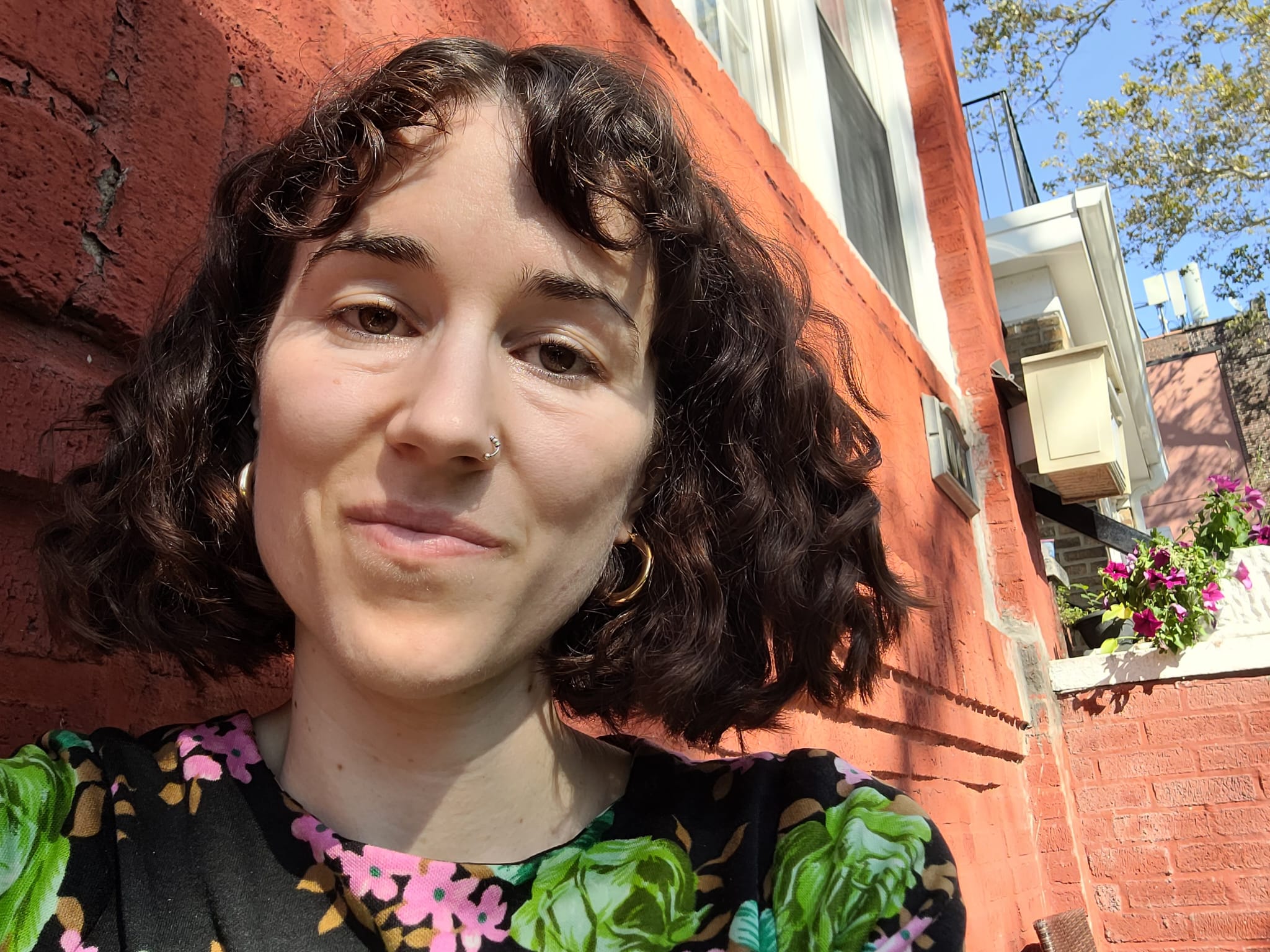
Britt Munro is a PhD student in the English department at the CUNY Graduate Center. She teaches at Lehman College and is a current fellow with the Intellectual Publics, CUNY. She organizes with CUNY for Palestine and Graduate Center for Palestine.
This event is free and open to the public. It is organized by the Department of Middle East and Islamic Studies (NYU); Doctoral and Graduate Student Council (CUNY); Gallatin Human Rights Initiative (NYU); CUNY Graduate Center for Palestine; CUNY Faculty and Staff for Justice in Palestine, CUNY for Palestine, and cosponsored by the Center for Place, Culture, and Politics.