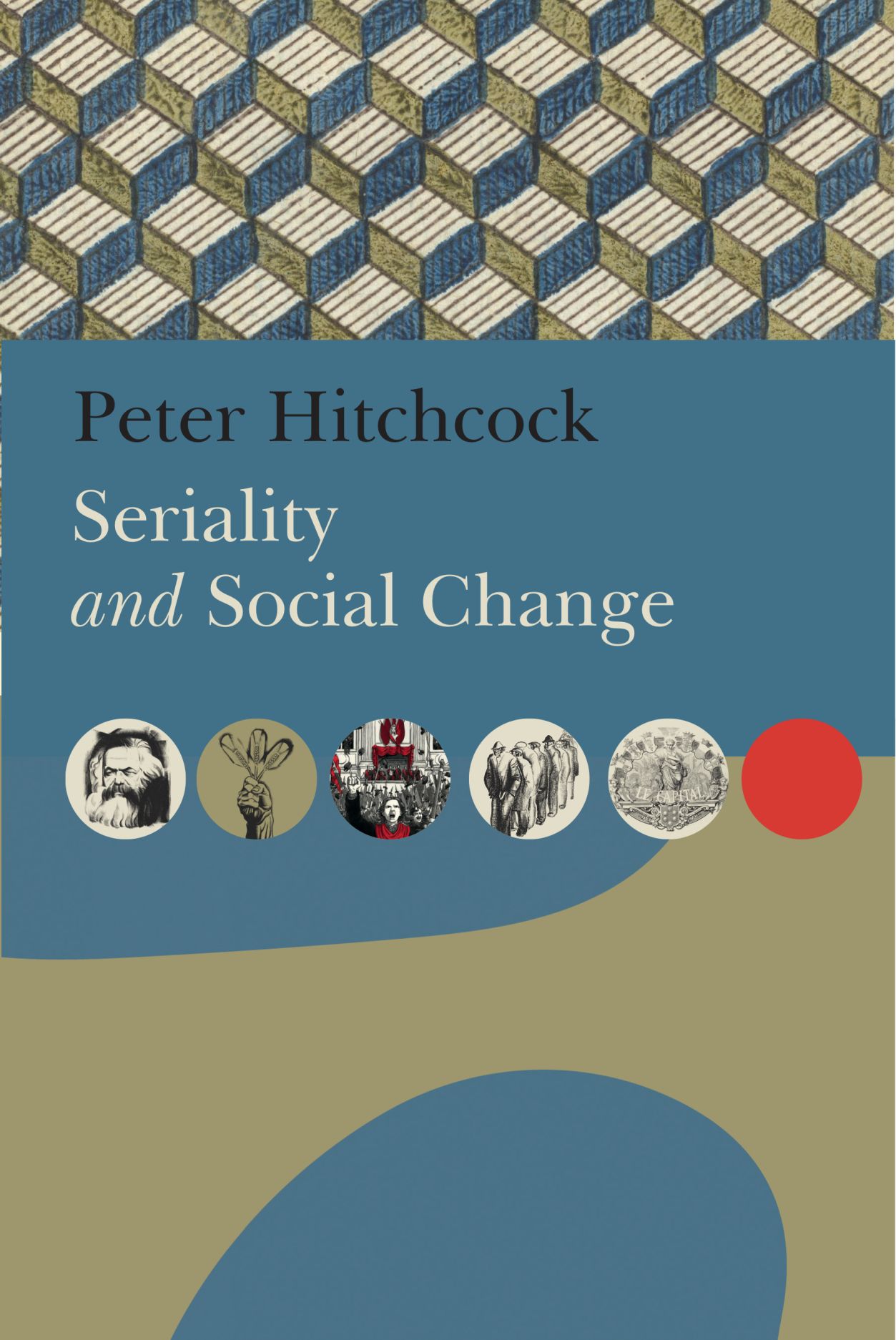
Seriality and Social Change: Peter Hitchcock in Conversation with Jonathan W. Gray, Sonali Perera, and Zandi Sherman
Join the Center for Place, Culture, and Politics for a discussion with Jonathan Gray, Sonali Perera, and Zandi Sherman of Peter Hitchcock’s new book Serality and Social Change.
From Karl Marx’s decision to publish Capital in serial form to contemporary adaptations in manga and graphic novels, Seriality and Social Change examines how serialization both democratizes knowledge and shapes the very process of social transformation. Peter Hitchcock delves into the paradox of the serial: while it can expand access to radical thought, it can also impose structural limits, slowing or containing the revolutionary potential it seeks to unleash.
Through a sweeping analysis that links literature and political economy, Hitchcock explores how serialized narratives frame, sustain, or even hinder movements for change. Does seriality mirror the mechanics of capitalism, or can it be a tool for subverting them? Engaging with this question across genres and forms, Seriality and Social Change invites readers to rethink how revolution is told and imagined over time.

Peter Hitchcock is Associate Director of the Center for Place, Culture, and Politics and Professor of English at Baruch College and the CUNY Graduate Center. He is also on the faculty of Women’s Studies and Film Studies at the GC. His books include Dialogics of the Oppressed (Minnesota, 1992), Oscillate Wildly: Space, Body, and Spirit of Millennial Materialism (Minnesota, 1999), Imaginary States: Studies in Cultural Transnationalism(Illinois, 2003), The Long Space: Transnationalism and Postcolonial Form (Stanford, 2009), The New Public Intellectual: Politics, Theory, and the Public Sphere (Palgrave, 2016; coedited with Jeffrey R. Di Leo), Labor in Culture, or, Worker of the World(s) (Palgrave, 2017), The Debt Age (Routledge, 2018; coedited with Jeffrey R. Di Leo and Sophia McClennen), and Biotheory (Routledge, 2020; coedited with Jeffrey R. Di Leo). His latest books are Seriality and Social Change (Chicago, 2025) and an edited collection, Parasitical Logic in Culture and Society (Bloomsbury, 2026). Hitchcock’s research and teaching focus on anticapitalism, postcolonial and decolonial critique, the politics of gender and sexuality, and aesthetics. Recent articles include: “Living the City: On Samuel R. Delany’s Times Square Red, Times Square Blue” for WSQ; “Countering Encounters: Theorizing the Scale of Globality” for a volume on theory as world literature; “Decolonizing Aesthetics: Bakhtin, Modernism, and Anti-Colonial Poetics” for Understanding Bakhtin, Understanding Modernism; “Inertia Creeps” for a volume on left theory and the alt-right; “Paroxysm Politics” for a book on Black Mirror; and “Auguries of Ethics” for a volume on contemporary architectural theory.
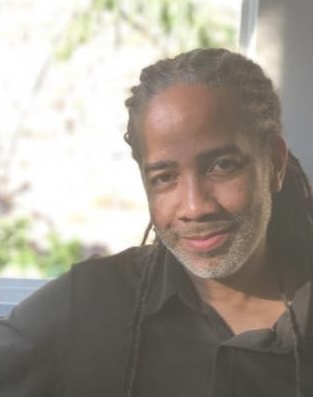
Jonathan W. Gray is Associate Professor of English at John Jay College-CUNY and the CUNY Graduate Center’s programs in English and Biography and Memoir. Prof. Gray’s research focuses on the literature and popular cultures of the post-WWII period, with a particular focus on race plays in the construction of civic belonging. Gray is the author of Civil Rights in the White Literary Imagination and the co-editor of the essay collection Disability in Comics and Graphic Novels. Prof. Gray wrote the entry “Race” for Keywords for Comics Studies and is working on a book project, Illustrating the Race: Representing Blackness in American Comics, which traces depictions of African Americans in comics from 1966 to the present, and another exploring how Black the work of a cohort of artists, writers, and musicians resisted the claims of the Reagan Revolution. Prof. Gray contributes to The New Republic, and has written in the past for Film Quarterly, Entertainment Weekly, Medium, and Salon.com.
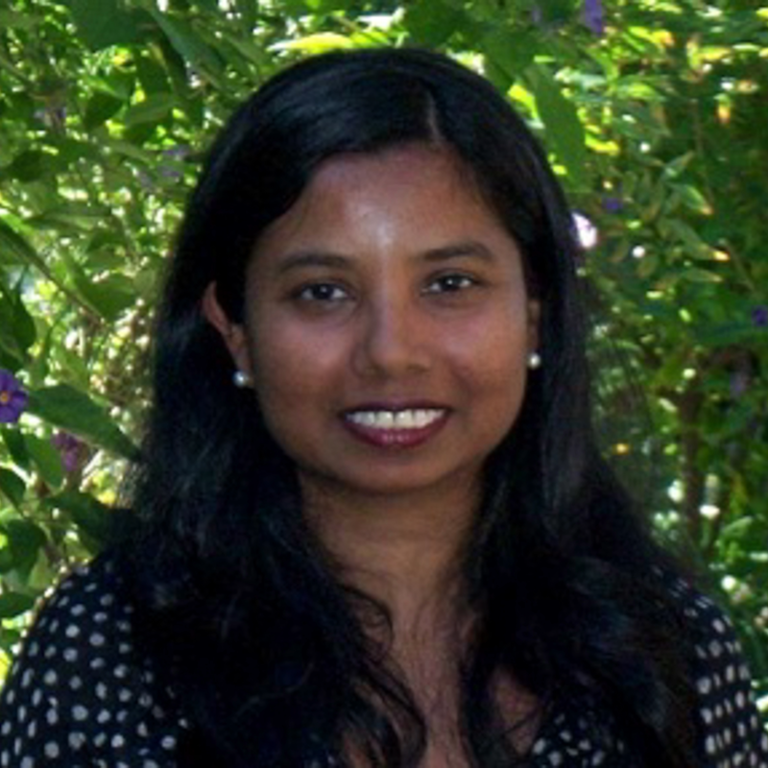
Sonali Perera is an associate professor in the English Department at Hunter College. At the CUNY Graduate Center, Professor Perera is a member of the doctoral faculty of the Departments of English and Comparative Literature. She is the author of No Country: Working-Class Writing in the Age of Globalization (Columbia University Press, 2014) and is currently at work on her second book, Between Imperialism and Internationalism: World Literature and Human Rights. Her work has appeared in PMLA (Publications of the Modern Language Association of America), differences: A Journal of Feminist Cultural Studies, Postcolonial Studies, Signs: Journal of Women and Culture in Society (films for the feminist classroom), and in interdisciplinary anthologies, including South Asian Feminisms (Duke UP 2012) and The State of Human Rights (2020). From 2006-2008, she served on the executive board of directors of SAALT (South Asian Americans Leading Together), a national non-profit organization dedicated to ensuring civil rights and social justice for marginalized members of the South Asian immigrant community in America.
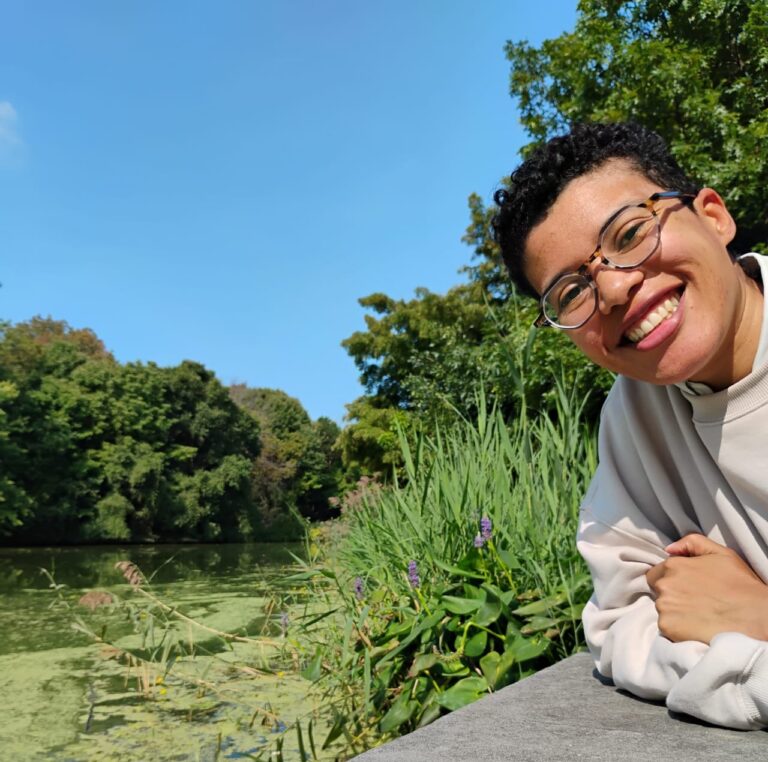
Zandi Sherman is a postdoctoral fellow at the Center for Place, Culture, and Politics. She has a PhD in Women’s and Gender Studies from Rutgers University and a Master’s Degree in Global Studies jointly awarded by the Universities of Cape Town and Freiburg. Her research, writing, and activism focus on racial capitalism and the relation between material infrastructures and colonial logics of extraction and accumulation. She has published work on the South African diamond industry and how its technologies of extraction were both dependent on and productive of race. Zandi is a co-founding member of Sociable Weavers, a queer African collective nurturing alternatives to capitalism through socio-ecological regeneration. The collective is currently developing a curriculum for a year-long school focused on preserving African traditions of radical interdependence and crafting new refusals of capitalism’s modes of relation.
This event is free and open to the public. It is organized by the Center for Place, Culture, and Politics.